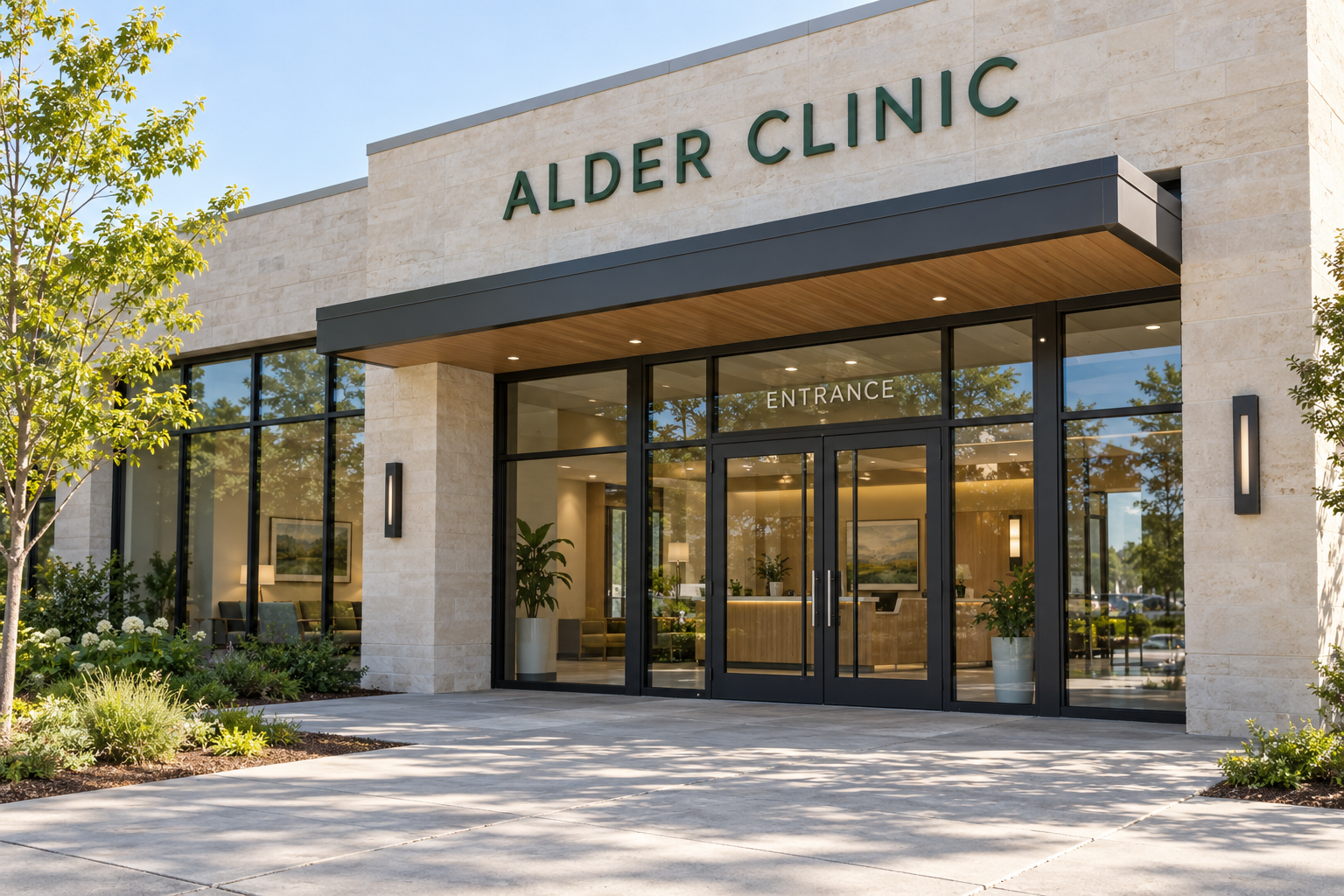
Before launch day, confirm your sign’s message, measurements, permissions, artwork, materials, lighting, full cost and installation arrangements. Then test the finished frontage from the customer’s approach. This ten-point checklist helps new UK shops, cafés, salons and other premises organise those decisions before a last-minute sign problem disrupts opening plans.
Opening a business produces an impressive number of urgent decisions. The card reader needs setting up. The stock delivery has moved. Someone asks where the opening-hours notice is, and suddenly the sign becomes today’s emergency.
I would put signage on the launch schedule as soon as the premises are confirmed. It depends on other people, physical measurements and sometimes permissions. Those are difficult things to compress into the afternoon before opening.
Use the checks below as decision gates. Each one should end with something concrete: an approved brief, written confirmation, a checked proof or a booked installation. A tick should mean the issue is settled.
1. Decide what a stranger needs to understand
Your business name matters. So does the answer to “What happens here?”
A fictional bakery called “Ember Loaf” might be reasonably clear, but an abstract name may need a descriptor. “Bakery & Coffee” can do useful work without turning the fascia into a menu.
Tick when
You have agreed the exact business name, any short descriptor and the main action you want an arriving customer to take.
Choose one priority for the fascia. Put opening hours and entry instructions nearer the door. Browse our shop signage options once you know what the sign needs to communicate.
2. Walk the approach before designing
The view from your laptop is not the customer’s view.
Walk towards the premises from both directions. Cross the road where safe. Check whether buses, parked vehicles, trees or the building’s shape obscure the fascia.
A corner unit may need a different arrangement from a narrow mid-terrace shop. Upstairs premises may need a clear arrival message at street level.
Tick when
Your brief includes photographs of the actual approaches and the intended sign positions.
If most customers arrive along the pavement, discuss whether a projecting blade sign is appropriate. Check permissions and safe positioning before adding it to the order.
3. Measure the site and record the unknowns
“About three metres wide” is a starting conversation, not a fabrication instruction.
Record the available width and height, the position above the entrance and nearby obstacles. Photograph the whole frontage and close-up fixing areas. Include awnings, shutters, pipes and existing wiring.
Do not assume an existing panel is sound enough to carry a new sign.
Tick when
The signmaker has the dimensions required for the proposed work, and responsibility for checking them is agreed.
If measurements are provisional, label them clearly. Arrange a survey where needed. Measure only what you can reach safely; leave work at height and structural assessment to suitable professionals.
4. Resolve permissions before production
Landlord approval and council requirements are separate matters. A landlord saying yes does not settle the planning authority’s requirements.
In England, advertisements have their own consent regime. Some proposals have deemed consent subject to conditions; others need express consent. Listed building requirements can also be relevant.
The position depends on the proposal and location, so do not assume a neighbouring shop’s sign gives you permission for yours.
Tick when
You have written landlord approval where required and confirmation that the necessary consent route has been addressed.
Consult the local planning authority for the premises. Scotland, Wales and Northern Ireland have their own arrangements; this England guidance is not a UK-wide approval rule. Check pavement-display permissions separately if proposing an A-board.
5. Choose materials for the actual setting
A material sample can look excellent on a desk and behave differently outdoors.
Discuss weather exposure, the wall surface, cleaning, finish and the proposed construction. Ask how the lettering will be fixed and how future maintenance would work.
A finish should support your brand, but it also has to suit the site and budget.
Tick when
The quotation identifies the material, finish, dimensions and construction sufficiently clearly for you to understand what you are buying.
Compare options rather than assuming the most elaborate one is necessary. Our outdoor 3D letter signage is one route to consider alongside simpler alternatives suited to the frontage.
6. Plan lighting and power together
Decide whether illumination is useful for your real trading hours. A daytime-only shop may have different priorities from a café open into the evening.
If lighting is proposed, discuss the effect, brightness, controls and servicing access. Front-lit and halo-lit signs produce different results; the wall behind halo lighting affects its appearance.
Power arrangements should be resolved before the installer arrives.
Tick when
The lighting specification, cable route, power provision and responsibility for electrical work are agreed.
Ask a competent electrician to assess the supply and connection where required. Avoid assuming an old cable or hidden power supply is suitable. Check any relevant consent conditions for illumination and operating hours.
7. Get a quotation you can actually compare
Two prices may cover very different jobs.
One quote might include only the manufactured letters. Another might include a panel, delivery, installation and removal of the old sign. The cheaper headline figure tells you little until the scope is clear.
Ask about artwork, surveys, access equipment, electrical work, delivery, installation, waste removal and making good.
Tick when
You know the total payable, what is included and what remains your responsibility.
Request clear VAT treatment, payment terms and warranty details. Separate confirmed costs from allowances or work awaiting a site assessment. Keep a budget allowance for unresolved site issues rather than pretending they have already disappeared.
8. Approve the production proof carefully
A beautiful mock-up can still contain the wrong telephone number.
Check spelling, punctuation, business name, descriptor, colours, dimensions, letter spacing and layout. Confirm which details are illustrative and which are part of the production specification.
A digital colour displayed on a screen may not match a physical finish exactly. Ask for a sample or finish reference where that difference matters.
Tick when
A named decision maker has approved the final, clearly identified artwork and specification.
Provide vector artwork if available, with any required fonts or outlined text. Keep a copy of the approved proof. If the design changes afterwards, confirm the effect on price and timing before production continues.
9. Work backwards from the installation date
“Ready for opening” is not a schedule.
Production, delivery and installation are different stages. Permissions, artwork revisions and site access can affect the sequence. Ask for a timetable specific to your order and the assumptions behind it.
Book access around other trades. Fresh paint, unfinished wiring or equipment blocking the frontage can make an apparently simple installation awkward.
Tick when
You have agreed responsibilities, target dates and a practical site-access plan, with contingency before launch.
Confirm who is attending, what equipment is needed and who signs off the work. If a temporary opening notice is necessary, check that it is suitable and permitted. Do not assume a temporary sign is exempt from all controls.
10. Inspect the finished frontage as a customer
Installation complete does not mean every launch detail is finished.
Stand back and read the sign from the actual approach. Check spelling, alignment, visible damage and whether the entrance is clear. Review lighting after dark if applicable.
Test the supporting details too: opening hours, door instructions and any QR code. Keep the window message consistent with the opening date you are advertising.
Tick when
Any snagging is recorded, the relevant handover information is received and the frontage is ready to welcome visitors.
Retain the specification, approval record, care instructions and warranty terms. Ask whom to contact about a fault. Follow the recommended cleaning routine and arrange suitable inspections rather than leaving maintenance until something fails.
Your launch-week handover
Keep one shared folder containing the latest artwork, permissions, quote, contact details and installation arrangements. Make it obvious which version is approved.
Before opening, ask someone who has never visited to find the premises using the information a customer would have. Can they recognise the business and understand how to enter?
That final test is inexpensive. It can reveal an unclear side entrance or missing opening-hours notice while there is still time to fix it.
Frequently asked questions
How early should I order my shop sign?
Start the conversation when the premises and launch plan are sufficiently clear. Ask for an order-specific schedule covering survey, permissions, artwork, production, delivery and installation. Do not rely on a generic production estimate as the complete lead time.
Can I order before receiving the keys?
You can discuss concepts and budgets, but access may be needed to verify dimensions and the fixing surface. Confirm the landlord’s approval and any consent requirements before committing to fabrication.
What if I do not have a finished logo?
Send the exact business name, a short description, photographs and examples of the style you prefer. Ask whether design support is available, what it costs and which artwork files you will receive.
Is installation normally included in the sign price?
It depends on the quotation. Ask explicitly whether the price is supply only or includes installation. Confirm delivery, access equipment, electrical connection, old-sign removal and making good rather than assuming they are included.
Can I change the opening date on my sign?
Keep changeable information separate from permanent identity wherever practical. A removable window notice may be easier to update than a fabricated fascia. Check the proposed material, removal method and any relevant permissions.
Turn “opening soon” into a workable sign brief
Send London Street Signs your requirements: premises photographs, dimensions, postcode, artwork if available, preferred effect and target opening date.
Explain whether you need supply only or installation. We can discuss suitable options and confirm the proposed scope and schedule.
Launch day will still be busy. Getting these decisions settled gives you one less urgent problem when you should be welcoming your first visitors.